
The Long Road from Care to Violence
Chanson douceThe story places Louise’s history of caregiving beside escalating signs of exhaustion, showing how ordinary routines finally become the setting of violence.
increasing Bearing strength in each event
 decreasing
Bearing strength in each eventdecreasingEarly Lessons in Care
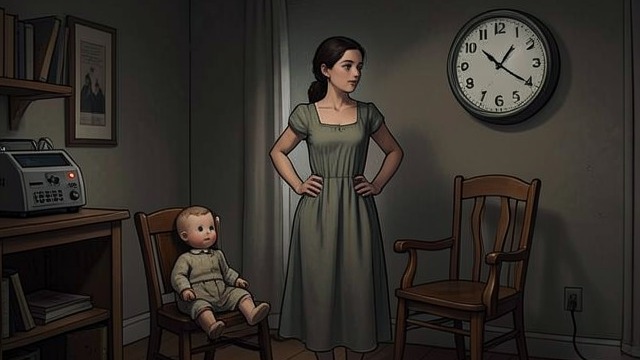
Care Learned Young
Work with children and adults
Louise develops strength and practical skill while caring for babies and later for an elderly woman. Employers admire her patience and ability to manage difficult bodies.
Care as both skill and burden
Her work is intimate, physical, and emotionally demanding. It gives her a livelihood but also trains her to treat other people’s needs as more urgent than her own.
A Family of Her Own
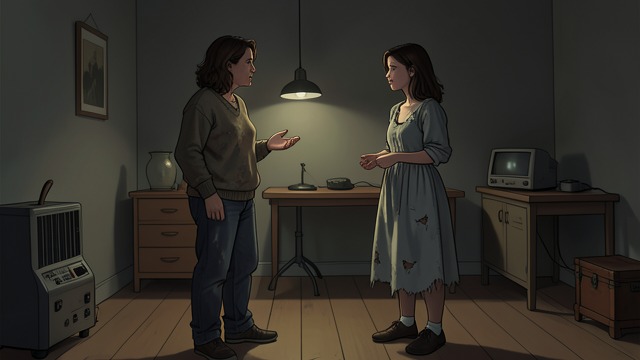
Motherhood Under Pressure
An unwanted pregnancy debate
M. Franck tells Louise that she cannot afford a child and offers to arrange an abortion. Louise misses the appointment, and Stéphanie is born.
A difficult bond
Louise’s motherhood begins amid fear, judgment, and economic vulnerability. Her later caregiving for other people’s children exists alongside a troubled relationship with her own daughter.
Competence Repeats
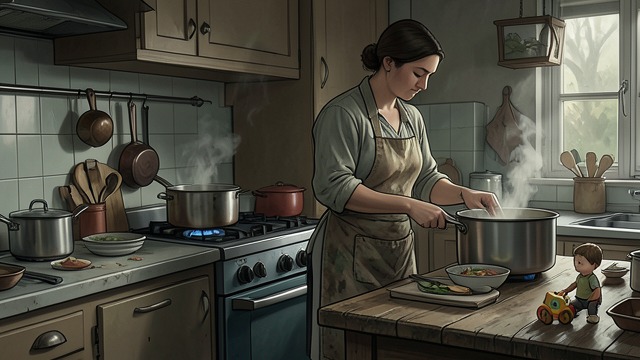
A Familiar Role
Caregiving renewed
Louise again organizes children’s meals, sleep, play, and safety. Her ability to anticipate needs makes her seem almost supernaturally capable.
The past enters the present
The job allows Louise to excel in a role she understands, but the closeness also awakens unresolved longing for a family bond she could not secure with Stéphanie.
The Routine Frays
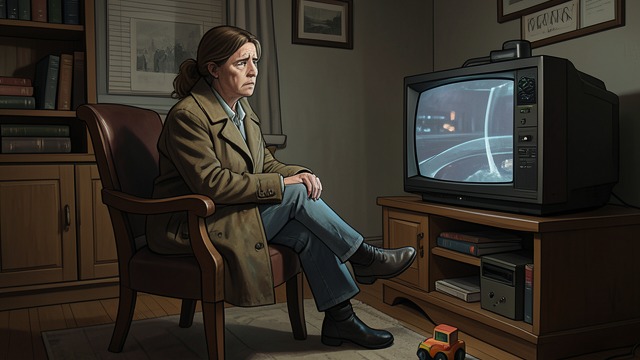
Exhaustion Replaces Play
A change in attention
Louise withdraws from outings, leaves the television on, and becomes irritated by the children’s ordinary demands. Her stories lose their shape and their power to comfort.
Warning without certainty
The decline is visible in retrospect, but the family does not understand its full severity at the time. Love, habit, and professional reliability make the signs easier to explain away.
The Bath and the Attack
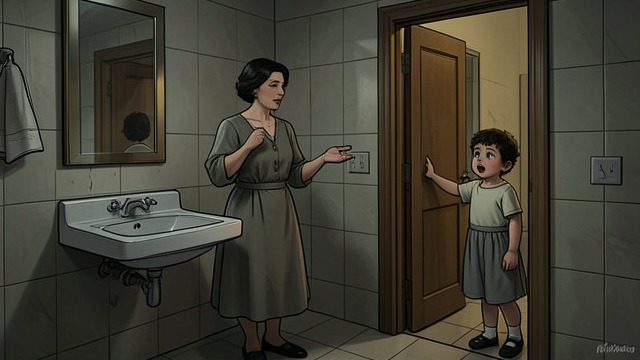
The Final Routine
Familiar words
Louise calls the children to bathe, repeating an ordinary instruction from their life together. The sequence is later reconstructed by Nina Dorval from the apartment and witnesses.
Care becomes irreversible violence
The attack ends the children’s dependence on Louise and destroys the family she had imagined possessing. The narrative returns to the bath not as a solution to the crime but as its chilling final domestic image.
Before Louise becomes a mother
When Louise is twenty-five
Years later, after Louise joins the Massés
In the months before the crime
The afternoon of the murders
